Somali
Flaga Somalii
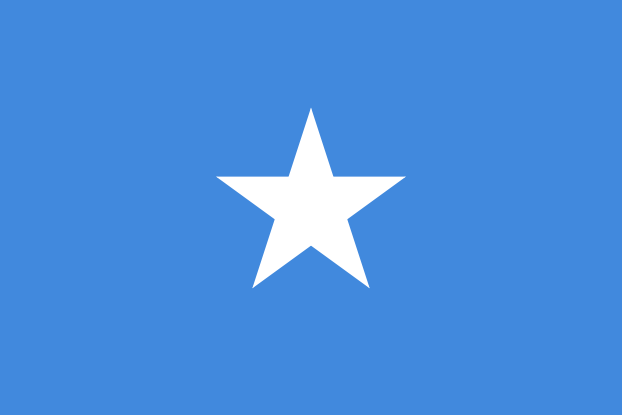
Flaga do pobrania w rozdzielczości
| Ikona 88x59 |  |
| Ikona 32x21 |  |
Somali
Somalia, officially known as the Federal Republic of Somalia, is a fascinating and complex nation located in the Horn of Africa. Its unique geographical position, rich history, and distinct cultural heritage have shaped its destiny and continue to influence its present and future. This article aims to provide a comprehensive overview of Somalia, touching upon its demographics, historical trajectory, diverse geography, nascent industrial sector, and the potential for tourism, despite the significant challenges it faces.
The population of Somalia is predominantly ethnic Somali, with a small number of minority groups, including Bantus and Arabs, who have historically inhabited the coastal regions. The Somali people are known for their nomadic pastoralist traditions, which have deeply influenced their social structure, customs, and values. Family and clan ties are paramount, forming the bedrock of Somali society and playing a crucial role in both political and social organization. The Somali language, a Cushitic language, is the official language, though Arabic is also widely spoken due to religious and historical connections. Islam is the dominant religion, with the vast majority of Somalis adhering to Sunni Islam. This shared faith has been a unifying force, contributing to a strong sense of cultural identity. The population is relatively young, with a significant proportion of individuals under the age of 30, presenting both opportunities and challenges for the nation’s development. Urbanization is increasing, particularly in major cities like Mogadishu, Hargeisa, and Kismayo, as people migrate in search of economic opportunities and better living conditions. However, a substantial portion of the population still relies on pastoralism for their livelihood, a way of life that has been practiced for centuries and is deeply interwoven with the Somali identity.
The history of Somalia is a tapestry woven with threads of ancient trade, colonial rule, and post-independence struggles. For centuries, the Somali coast was a vital hub for trade routes connecting the Arabian Peninsula, the Indian subcontinent, and the African interior. Ancient civilizations, such as the Puntites, are believed to have flourished in this region, engaging in lucrative trade of frankincense, myrrh, and other valuable commodities. During the medieval period, various sultanates, like the Adal Sultanate, emerged, exerting considerable influence over the region. The arrival of European colonial powers in the late 19th century marked a significant turning point. The British established a protectorate in the north (British Somaliland), while the Italians colonized the south (Italian Somaliland). The French also held a small territory at Djibouti. These colonial administrations, though brief in the grand scheme of Somali history, left an indelible mark on the political and administrative structures of the country. Following World War II, the United Nations administered the region, leading to the unification of British Somaliland and Italian Somaliland to form the independent Somali Republic on July 1, 1960. The early years of independence were characterized by political instability and border disputes, particularly with Ethiopia over the Ogaden region. The military coup of 1969 brought Siad Barre to power, ushering in a long period of authoritarian rule. Barre’s regime implemented socialist policies and engaged in conflicts that ultimately led to his downfall in 1991. The collapse of the central government plunged Somalia into a prolonged period of civil war and state fragmentation, with various warlords and clan-based factions vying for control. The subsequent decades have been marked by efforts to restore stability, establish a functioning government, and combat extremist groups like Al-Shabaab. Despite these immense challenges, the international community has continued to support Somalia’s fragile transition towards peace and development.
Geographically, Somalia possesses a diverse and striking landscape. It is the longest coastline in mainland Africa, stretching for over 3,300 kilometers along the Indian Ocean and the Gulf of Aden. This extensive coastline offers significant potential for maritime activities, including fishing and trade. The northern part of the country is characterized by arid plains and mountainous regions, including the Golis Mountains, which offer breathtaking views and a unique ecosystem. The central and southern regions are dominated by vast, flat plains and semi-arid scrubland, interspersed with acacia trees and thorny bushes, typical of the Horn of Africa. The country’s climate is predominantly hot and dry, with distinct wet and dry seasons. Rainfall is scarce and erratic, making agriculture a challenging endeavor, largely dependent on rain-fed farming and nomadic pastoralism. The presence of several perennial rivers, such as the Juba and Shabelle rivers in the south, provides crucial water sources for agriculture and supports more fertile land along their banks. These river valleys are vital for the country’s food production and sustain a significant portion of the population. The country’s natural resources include potential for offshore oil and gas, as well as mineral deposits, though their exploitation has been limited due to instability. The diverse geography, from rugged mountains to vast plains and the expansive coastline, offers a unique natural beauty that, under different circumstances, could attract significant interest.
The industrial sector in Somalia is still in its nascent stages, heavily reliant on primary industries and with limited diversification. The economy is primarily driven by livestock, agriculture, and remittances from Somalis living abroad. The pastoralist sector, raising sheep, goats, camels, and cattle, is the backbone of the economy, providing meat, milk, and hides for both domestic consumption and export. Agriculture, concentrated along the fertile Juba and Shabelle river valleys, produces crops such as bananas, sorghum, maize, and sesame. However, the agricultural sector is vulnerable to drought and inconsistent rainfall. Fishing is another significant industry, with the extensive coastline offering vast potential, though it has been historically hampered by illegal fishing by foreign fleets and a lack of modern infrastructure. Small-scale manufacturing exists, primarily focused on processing agricultural products, such as dairy, meat, and fish. The construction sector is growing, particularly in urban areas, driven by reconstruction efforts and new development projects. The telecommunications sector has seen significant growth and innovation, with mobile money services and internet access becoming increasingly widespread, even in remote areas. However, the lack of reliable energy infrastructure, limited access to capital, and ongoing security concerns pose significant obstacles to the development of a more robust and diversified industrial base. Efforts are underway to promote investment, improve infrastructure, and support small and medium-sized enterprises to foster economic growth and create employment opportunities.
Despite the prevailing security challenges and the historical lack of infrastructure, Somalia possesses a wealth of untapped tourist potential. The country’s rich history is evident in its ancient ruins and archaeological sites, remnants of past civilizations and trading posts that await exploration. The pristine coastline, with its white sandy beaches and clear turquoise waters, offers opportunities for beach tourism, water sports, and diving. Coastal towns like Mogadishu, with its historic architecture and vibrant markets, and the northern port city of Berbera, with its colonial-era buildings, hold significant historical and cultural appeal. The diverse natural landscapes, from the rugged Golis Mountains in the north to the arid plains and river valleys in the south, could attract ecotourism and adventure travel. The unique nomadic culture of the Somali people, with their rich oral traditions and traditional way of life, presents an opportunity for cultural tourism. However, realizing this potential requires significant investment in security, infrastructure development, and the promotion of Somalia as a safe and welcoming destination. The establishment of a stable political environment, improved transportation networks, and the development of hospitality services are crucial steps towards unlocking Somalia’s tourism prospects. The allure of exploring a land less traveled, steeped in history and with breathtaking natural beauty, could, in time, draw discerning travelers seeking authentic and unique experiences.
In conclusion, Somalia is a nation of immense resilience and untapped potential. Its unique demographic makeup, shaped by centuries of nomadic traditions, its complex and often turbulent history, its diverse and striking geography, and its nascent industrial sector all contribute to its distinct identity. While the challenges of rebuilding a nation after decades of conflict are substantial, the inherent strengths of the Somali people, coupled with international support and a commitment to stability, offer hope for a brighter future. The journey towards sustainable development, economic prosperity, and the realization of its full potential, including its tourism prospects, is ongoing, but the spirit of the Somali people remains a testament to their enduring strength and determination.
Informacje o kraju Somali
Informacje pochodzą z publikacji CIA World Factbook.
Kraj Somali (angielski Somalia) znajduje się w / kontynentu Afryka. Somali ma powierzchnię 637 657 km2 i 10 085 638 populacji. Najwyższy punkt ma wysokość 2 416 metrów nad poziomem morza i nazywa Shimbiris. Najniższy punkt znajduje się na poziomie 0 m.n.m. i nazywa Ocean Indyjski. Państwo jest organizacją rząd przejściowy oraz datę niepodległości 01 lipca 1960. Kapitał jest Mogadiszu. Somali ma międzynarodowy skrót SO.
Somali - gospodarka
Łączny produkt krajowy brutto (PKB) jest 5 896 000 000 $. Łączny produkt krajowy brutto per capita dostosować za pomocą parytetu siły nabywczej 600 $. PKB rośnie 2.60 % Rocznie. Somali ma 3 447 000 ludności w wieku produkcyjnym (łączna liczba 10 085 638 osób). a 0,90 % PKB na wojsko. Łączna kwota długu zagranicznego był 2 942 000 000 USD.
Somali - demografia
Jak wspomniano powyżej, Somali ma 10 085 638 mieszkaniec. Przyrost ludności jest w kwocie 1.60 % Rocznie. Liczba urodzeń na 1000 mieszkańców rocznie 42.12. Każda matka wynosił średnio 6.26 dzieci. Śmiertelność niemowląt jest 103.72 i śmiertelności matek 1 000.00 zgonów na 100.000 urodzeń. Średnia długość życia szacowana jest 50.80 lot. Smiertelność jest 14.55 osób na 1000 mieszkańców rocznie.
Somali - transportu i telekomunikacji
Somali ma 22 100 km dróg i 62 lotnisk. Jest zarejestrowany 1 łodzi.
Włączone telefony komórkowe (karta SIM) w kraju Somali jest 655 000. Liczba aktywnych stacjonarnych linii telefonicznych jest 100 000. Somali ma 106 000 użytkowników Internetu, którzy mają 113 połączenia internetowe. Somali wyznaczyła domeny pierwsze zamówienie .so.
Somali - energetyka
Somali zużywa rocznie 293 000 000 kWh energii elektrycznej. Roczna produkcja energii elektrycznej jest 315 000 000 kWh w elektrowniach o łącznej mocy zainstalowanej elektrycznej 80 000 kW. Somali eksport 0 kWh a import 0 kWh energii elektrycznej na rok Energy mix wytwarzania energii jest następujący: paliwa kopalne: 93.8 %, energia jądrowa: 0 %, źródeł odnawialnych: 0.0 %, wodna: 6.3 %.
Słowa kluczowe: energetyka, kraje świata, lista flag, flagi krajów na świecie, demografia, Somali, informacje, Flaga Somalii, państwa bandery, flaga, Gospodarka, flagi krajów, lista krajów, Informacje, flagi, flagi narodowe, politika.